
The TAMPA 2 Defensive Strategy: How It Works, Player Responsibilities, Strengths & Weaknesses
What High School Coaches Need to Know About Installing and Executing the Tampa 2.
The Tampa 2 defense is one of the most recognizable defensive schemes in football. Known for its ability to limit explosive passing plays, protect the middle of the field, and create turnovers, this Cover 2 variation became famous under former Tampa Bay Buccaneers head coach Tony Dungy and defensive coordinator Monte Kiffin.
But what makes the Tampa 2 different from traditional Cover 2? The answer comes down to one important player: the middle linebacker.
Dungy and Kiffin helped popularize a Cover 2-based defensive system that addressed one of the biggest weaknesses of traditional Cover 2 coverage: the deep middle of the field. Instead of leaving that area exposed between the two safeties, the middle linebacker drops deeper into coverage and carries vertical routes through the middle.
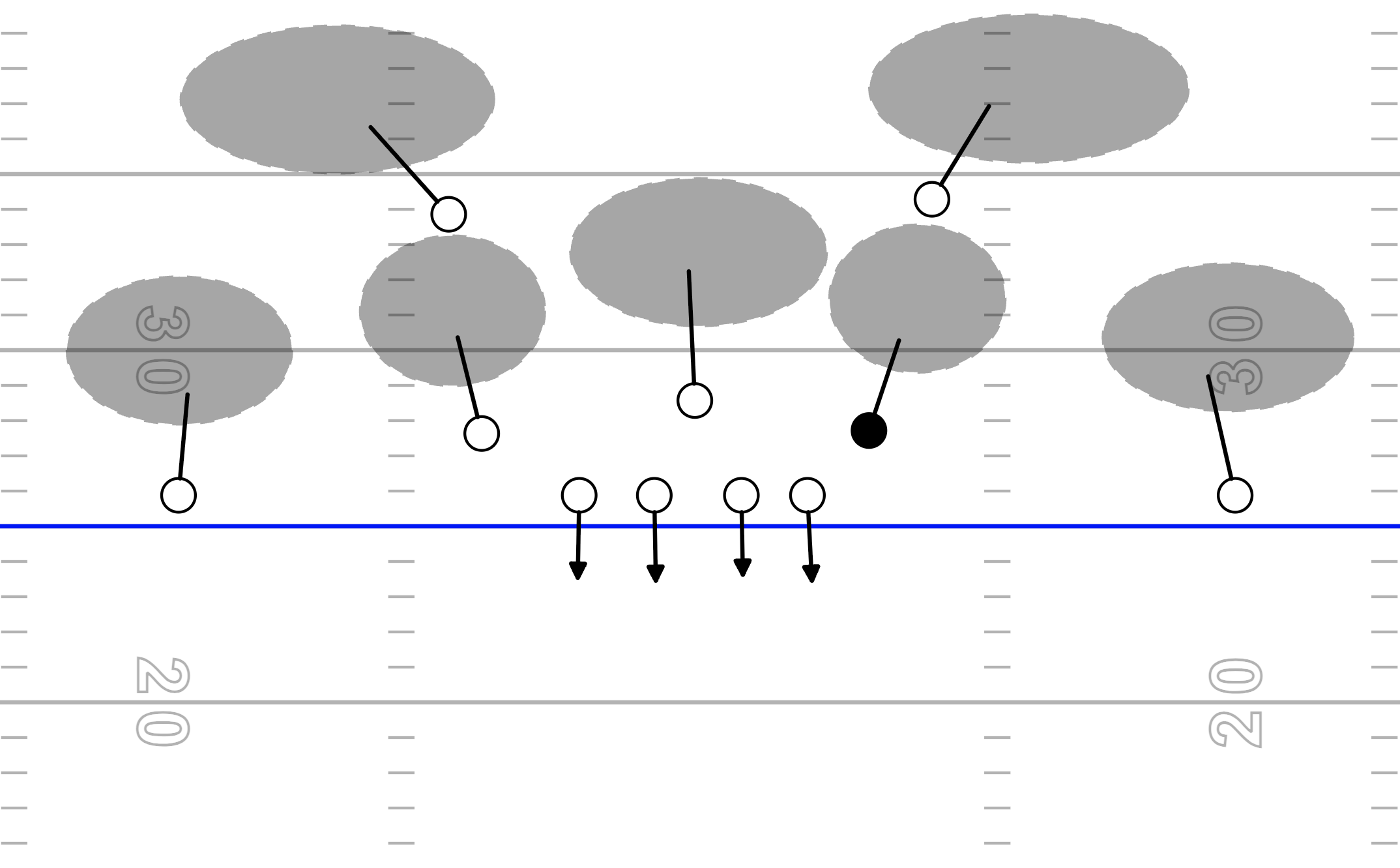
This adjustment allows the defense to create a three-deep coverage structure after the snap while maintaining underneath zone responsibilities. The result became known as the Tampa 2 defense, a defensive strategy that helped establish Tampa Bay as one of the NFL’s most dominant defenses.
For high school football coaches considering the Tampa 2, understanding the coverage structure, player responsibilities, and personnel requirements is essential.
What Is the Tampa 2 Defense?
The Tampa 2 is a zone-based defensive coverage built around preventing big plays and forcing offenses to work underneath the coverage.
Its primary objectives are to:
- Take away deep passing opportunities.
- Protect the deep middle of the field.
- Force quarterbacks to complete shorter passes.
- Keep the football in front of the defense.
- Create opportunities for interceptions and turnovers.
- Force offenses to execute long, sustained drives without making mistakes.
The Tampa 2 typically operates out of a 4-3 defensive alignment and uses four defensive linemen, three linebackers, two cornerbacks, and two safeties.
The coverage structure generally consists of:
- Two safeties: Responsible for the deep halves of the field.
- Two cornerbacks: Responsible for the underneath outside zones.
- Two outside linebackers: Responsible for underneath hook and curl areas, with assignments depending on the coverage call.
- One middle linebacker (MIKE): Responsible for dropping deeper into the middle of the field and carrying inside vertical routes.
The biggest difference between traditional Cover 2 and Tampa 2 is the responsibility of the MIKE linebacker. In traditional Cover 2, the middle linebacker generally stays underneath. In Tampa 2, he drops deeper to help protect the deep middle.
This adjustment creates a three-deep, four-under coverage structure.
How the Tampa 2 Defense Works
The Tampa 2 is built around a simple philosophy:
Make the offense earn every yard.
Protect the deep field, rally to the football, tackle, and make the offense drive the length of the field.
Although the coverage begins with two deep safeties, the middle linebacker changes the structure after the snap. When he recognizes a passing play and carries an inside vertical route, the defense effectively creates three deep coverage defenders.
This is what makes the Tampa 2 unique. It allows the defense to protect the deep middle without relying on a traditional three-deep safety alignment.
However, the success of this coverage depends on communication, disciplined zone drops, and players understanding how to pass off routes.
Tampa 2 Defensive Player Responsibilities
Each position has an important role in making the Tampa 2 successful. Coaches must understand how each assignment works together to protect the field.
1. MIKE Linebacker Responsibilities
The middle linebacker is arguably the most important player in the Tampa 2 defense.
Unlike a traditional linebacker who primarily operates in the underneath coverage areas, the MIKE must have the athletic ability to drop into the deep middle and carry vertical routes.
He needs to be fast enough to cover vertical threats, instinctive enough to recognize route combinations, and disciplined enough to maintain proper depth.
The MIKE linebacker responsibilities generally include:
- Reading the offensive formation and identifying potential vertical threats.
- Recognizing run or pass indicators through his keys and offensive tendencies.
- Dropping approximately 12–15 yards into the middle of the field, depending on the coverage rules and route distribution.
- Protecting the deep seam between the safeties.
- Carrying vertical routes by slot receivers or tight ends.
- Preventing deep crossing routes from becoming explosive plays.
- Recognizing underneath routes and rallying downhill when appropriate.
The Tampa 2 requires an unusually athletic middle linebacker. Coaches should look for a player with the speed and coverage ability of a safety, combined with the physicality and instincts of a traditional linebacker.
2. Outside Linebacker Responsibilities
The outside linebackers are responsible for underneath coverage areas and must be capable of defending both the run and pass.
Their responsibilities generally include:
- Reading run versus pass.
- Dropping into their assigned hook and curl zones.
- Recognizing crossing routes and communicating route distribution.
- Carrying certain underneath vertical releases until they can be passed off.
- Defending running backs and tight ends.
- Closing throwing windows.
- Rallying to tackle underneath completions.
These players must be athletic enough to cover running backs and tight ends in space but physical enough to contribute against the run.
One of the advantages of the Tampa 2 is the ability to put athletic linebackers on the field who can cover ground and make plays.
3. Defensive Line Responsibilities
The defensive line plays a critical role in the success of the Tampa 2.
Because the defense is designed to generate pressure with four pass rushers, the defensive line must consistently disrupt the quarterback without requiring additional blitzers.
The exact gap responsibilities depend on the defensive front, including whether the defense is aligned in an Over, Under, or another front adjustment.
One of the most important components is having disruptive interior defensive linemen.
A penetrating 3-technique defensive tackle can disrupt blocking combinations, attack gaps, and create pressure. Meanwhile, a 1-technique defensive tackle must be capable of occupying blockers and controlling the interior.
These two interior positions are important because the defense needs its linebackers to run freely to the football. When defensive tackles occupy blockers and disrupt the offensive line, linebackers have more opportunities to make plays.
Many coaches believe the Tampa 2 is primarily a pass defense that is vulnerable against the run. However, its effectiveness against the run depends heavily on the defensive front, gap assignments, personnel, and how well the defense tackles.
A disruptive defensive tackle makes the linebackers better.
4. Defensive End Responsibilities
The defensive ends must create pressure without requiring additional blitzers.
Ideal defensive ends have:
- Excellent first-step quickness.
- Strong hands and the ability to shed blocks.
- Good pursuit speed.
- The ability to consistently rush the passer.
- Discipline in maintaining their rush lanes.
- The ability to control the outside edge against the run.
Maintaining rush-lane discipline is especially important. If the quarterback escapes the pocket because a defensive end loses contain, the offense can exploit open space and put the entire defense in a difficult position.
The defensive line must work together to pressure the quarterback while maintaining its responsibilities.
5. Cornerback Responsibilities
Cornerbacks have an important role in the Tampa 2 because they are responsible for disrupting outside receivers and protecting the underneath passing areas.
They typically align approximately 5–7 yards off the line of scrimmage, depending on the formation and defensive call.
Their responsibilities include:
- Disrupting the receiver’s release with a physical jam when appropriate.
- Forcing outside receivers to release inside when the coverage technique calls for it.
- Protecting the short outside passing areas.
- Preventing easy access to the flats.
- Recognizing route combinations.
- Rallying to tackle underneath completions.
Unlike many man-coverage systems, cornerbacks in Tampa 2 are not simply responsible for following a receiver wherever he goes.
Their job is to disrupt the timing of outside receivers while protecting their assigned zones. If receivers release freely up the sideline, they can create problems for the safeties responsible for the deep halves.
Physical cornerbacks who can tackle are particularly valuable in this defensive system.
6. Safety Responsibilities
The two safeties are responsible for the deep halves of the field.
They typically align approximately 10–12 yards deep, depending on the offensive formation and defensive call.
Their responsibilities include:
- Protecting against vertical routes.
- Preventing receivers from getting behind them.
- Defending deep corner and post routes within their coverage responsibilities.
- Recognizing route combinations.
- Communicating with cornerbacks and linebackers.
- Supporting the defense when underneath completions occur.
The safeties must understand that they cannot allow receivers to get behind them. The Tampa 2 is designed to concede certain underneath completions rather than surrender explosive passing plays.
Safeties with excellent range, communication skills, and football intelligence are essential to the success of this coverage.
Strengths of the Tampa 2 Defense
The Tampa 2 has several advantages that make it an attractive defensive option for high school football programs.
1. Protects Against Explosive Passing Plays
The three-deep structure helps protect the deep middle and outside portions of the field, making it more difficult for offenses to complete big passing plays.
2. Keeps the Ball in Front of the Defense
The coverage encourages quarterbacks to take underneath completions rather than attack deep areas of the field.
3. Creates Opportunities for Interceptions
The combination of disciplined zone coverage and pressure from the defensive line can force quarterbacks into difficult throws and create turnover opportunities.
4. Generates Pressure Without Consistently Blitzing
A defensive line capable of generating pressure with four players allows the defense to keep seven defenders in coverage.
5. Provides Recognizable Responsibilities
The zone-based structure gives players defined coverage areas and responsibilities. This can make it easier to teach and develop a consistent defensive system.
6. Forces Quarterbacks to Be Patient
Offenses must consistently complete shorter passes and sustain drives. One mistake can lead to a punt or turnover.
Weaknesses of the Tampa 2 Defense
No defensive system is perfect. The Tampa 2 has identifiable vulnerabilities that opposing offenses can attempt to exploit.
1. The Deep Hole Shot
The area between the cornerback and safety can be vulnerable to well-timed throws, particularly when the cornerback squats on an underneath route.
2. The Intermediate Middle of the Field
The space between underneath zone defenders and deeper coverage players can create throwing windows for quarterbacks.
3. Athletic Tight Ends and Slot Receivers
Teams with athletic tight ends and slot receivers can create mismatches against linebackers who struggle to carry vertical routes or cover space.
4. Running the Football Against a Light Box
Depending on the defensive front and offensive formation, the Tampa 2 can leave fewer defenders immediately available to stop the run. Offenses may attempt to take advantage of those numbers.
5. Play-Action Passing
Play-action can influence linebackers to step toward the line of scrimmage, potentially creating opportunities behind them if they fail to maintain proper coverage depth.
6. Four Verticals
Four-vertical route concepts can stress the safeties and underneath defenders by attacking multiple deep areas of the field simultaneously. The MIKE linebacker must recognize and carry his assigned vertical threat.
Is the Tampa 2 Defense Right for Your High School Football Team?
The Tampa 2 is not just a coverage. It is a defensive philosophy that requires speed, discipline, communication, physicality, and excellent defensive line play.
When those elements come together, it can be an extremely effective defensive system.
However, the Tampa 2 requires specific personnel to work to its full potential:
- Speed over size at key coverage positions: Your linebackers must have the athletic ability to cover ground and defend passing routes.
- A disruptive defensive line: Your front four must be capable of generating pressure without consistently blitzing.
- An athletic MIKE linebacker: This player must have the speed and instincts to cover the deep middle.
- Safeties with excellent range: Your safeties must communicate, recognize route combinations, and protect against deep passes.
- Physical cornerbacks: Your corners must disrupt receivers, defend underneath routes, and tackle effectively.
- Versatile outside linebackers: These players must contribute against the run while remaining effective in pass coverage.
Always remember: your coverage should complement your players, not force your players into responsibilities they cannot execute.
If you are considering installing the Tampa 2, make sure you have the right personnel and take the time to teach each player’s responsibilities.
Study Your Defense. Build Your Playbook. Get Better with QwikCut.
Installing a defensive system is only the beginning. Coaches need an organized way to review game film, evaluate player execution, and teach adjustments throughout the season.
The QwikCut Video & Analytics Platform gives football coaches the tools to break down game film, analyze performance, and organize their team’s video. Coaches also get access to a free digital playbook, where they can build and organize their defensive formations, plays, and assignments while linking relevant game clips directly to their playbook.
Imagine teaching your MIKE linebacker how to carry a vertical route by showing him the exact game clip where the assignment was executed correctly. Or reviewing a defensive breakdown with your entire team and connecting the film directly to the playbook.
With QwikCut, coaches can keep their film, analysis, and teaching materials organized in one place, making it easier to prepare players and improve execution on Friday nights.
Ready to take your team’s film study to the next level? Explore QwikCut’s video analysis platform and see how it can help your coaching staff prepare for game day.
